The Bombay High Court is one of the oldest and most prestigious High Courts in India. Located in Mumbai, Maharashtra, the court serves as the highest judicial authority for the states of Maharashtra and Goa along with the Union Territories of Dadra & Nagar Haveli and Daman & Diu. The court handles civil, criminal, constitutional, commercial, and administrative matters across its jurisdiction.
Established in 1862 during British rule, the Bombay High Court is famous for its historic Gothic-style building, landmark judgments, and major contribution to Indian constitutional law. It is also considered one of the most influential courts in the country because of Mumbai’s importance as India’s financial capital.
| Particulars | Details |
| Established | 14 August 1862 |
| Principal Seat | Mumbai, Maharashtra |
| Jurisdiction | Maharashtra, Goa, Dadra & Nagar Haveli, Daman & Diu |
| Type | High Court |
| Main Benches | Mumbai, Nagpur, Aurangabad, Panaji (Goa) |
| Main Functions | Civil, Criminal, Constitutional, Commercial Cases |
| Official Language | English |
| Current Authority | Constitution of India |
| Current Chief Justice | Justice Alok Aradhe |
| Official Website | bombayhighcourt.nic.in |
History of Bombay High Court
The judicial history of Bombay dates back to the British East India Company era. Initially, judicial administration in Bombay functioned through Mayor’s Courts and Admiralty Courts established during the 17th and 18th centuries. Later, the Recorder’s Court replaced the Mayor’s Court in 1798.
In 1823, the British Crown established the Supreme Court of Bombay under the Charter of 1823. This court had jurisdiction over Bombay Presidency territories and functioned as one of the highest judicial bodies in western India.
After the Revolt of 1857, the British Parliament passed the Indian High Courts Act, 1861. Under this law, Queen Victoria established the High Courts at Bombay, Calcutta, and Madras through Letters Patent in 1862. The Bombay High Court was officially inaugurated on 14 August 1862.
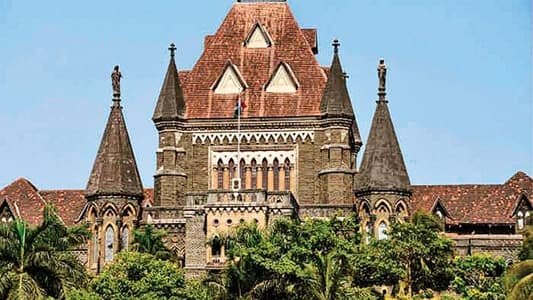
The present High Court building in Mumbai was designed by British engineer Colonel James A. Fuller. Construction started in 1871 and was completed in 1878. The first sitting in the new building took place on 10 January 1879.
The building is famous for its Gothic Revival architecture with statues of Justice and Mercy placed above the structure. Even after Mumbai’s name changed from Bombay in 1995, the court retained the historic name “Bombay High Court.”
Over the years, the court expanded through additional benches at:
- Nagpur
- Aurangabad
- Panaji (Goa)
Recently, a fifth bench at Kolhapur was also approved to improve access to justice in western Maharashtra.
Jurisdiction of Bombay High Court
The Bombay High Court exercises wide powers under the Constitution of India.
Original Jurisdiction
Being one of India’s chartered High Courts, the Bombay High Court has original jurisdiction in important civil and commercial matters arising within Mumbai.
These include:
- Commercial disputes
- Admiralty matters
- Constitutional petitions
- Intellectual property disputes
- Testamentary and matrimonial matters
Appellate Jurisdiction
The court hears appeals from subordinate courts and tribunals across Maharashtra, Goa, and Union Territories under its jurisdiction.
It handles:
- Civil appeals
- Criminal appeals
- Sessions court matters
- Family court appeals
- Tribunal appeals
Writ Jurisdiction
Under Article 226 of the Constitution, the court can issue writs to protect legal and fundamental rights.
Citizens approach the court against:
- Illegal government actions
- Administrative irregularities
- Constitutional violations
- Public authority decisions
Supervisory Jurisdiction
The Bombay High Court supervises subordinate courts functioning under its territorial jurisdiction and ensures proper judicial administration.
Structure of Bombay High Court
The Bombay High Court functions under the Chief Justice along with permanent and additional judges appointed by the President of India.
Bench System
The court operates through multiple benches:
- Principal Seat at Mumbai
- Nagpur Bench
- Aurangabad Bench
- Panaji Bench (Goa)
Recently, approval was also given for a bench at Kolhapur.
Types of Cases Handled
The court handles:
- Civil disputes
- Criminal cases
- Commercial litigation
- Tax disputes
- Constitutional matters
- Public Interest Litigations
- Service matters
Digital Facilities
The Bombay High Court provides modern judicial facilities including:
- E-filing system
- Online case status
- Digital cause lists
- Virtual hearings
- Video conferencing facilities
Subordinate Courts Under Bombay High Court
Several district courts function under the supervision of the Bombay High Court.
Major district courts include:
- Mumbai City Civil Court
- Pune District Court
- Nagpur District Court
- Nashik District Court
- Thane District Court
- Aurangabad District Court
- Goa District Court
- Kolhapur District Court
These courts handle local civil, criminal, family, and property disputes.
Court Building and Architecture
The Bombay High Court building is one of Mumbai’s most iconic heritage structures. Built in Gothic Revival style, the structure includes:
- Tall central towers
- Pointed arches
- Large courtroom halls
- Stone corridors
- Historic judicial chambers
The building is approximately 562 feet long and 187 feet wide. Statues symbolizing Justice and Mercy stand above the structure.
Due to increasing workload and infrastructure needs, plans were approved for a new Bombay High Court complex at Bandra East in Mumbai.
Importance of Bombay High Court
The Bombay High Court is one of the most influential courts in India because it serves Mumbai, the country’s financial capital.
The court regularly handles important matters related to:
- Corporate law
- Banking disputes
- Constitutional rights
- Infrastructure projects
- Environmental issues
- Public administration
- Maritime law
In recent years, the court has delivered important judgments related to rehabilitation projects, property disputes, and public administration.
The court is also known for contributing several eminent judges to the Supreme Court of India.
Address of Bombay High Court
Official Address
Bombay High Court
Fort, Mumbai
Maharashtra – 400032
Official Website
- https://bombayhighcourt.nic.in/
FAQs
Q1. When was the Bombay High Court established?
A: The Bombay High Court was established on 14 August 1862 under the Indian High Courts Act, 1861.
Q2. Where is the Bombay High Court located?
A: The principal seat of the court is located at Fort, Mumbai.
Q3. Which areas come under Bombay High Court?
A: The court has jurisdiction over Maharashtra, Goa, Dadra & Nagar Haveli, and Daman & Diu.
Q4. Why is the Bombay High Court famous?
A: The court is famous for its historic Gothic architecture, landmark judgments, and constitutional importance.
Q5. Does the Bombay High Court have benches?
A: Yes, the court has benches at Nagpur, Aurangabad, and Panaji (Goa).
Q6. What types of cases are handled by the court?
A: The court handles civil, criminal, constitutional, commercial, admiralty, tax, and public interest litigation matters.
Q7. Does the Bombay High Court provide online services?
A: Yes, it provides e-filing, online case status, virtual hearings, and digital cause lists