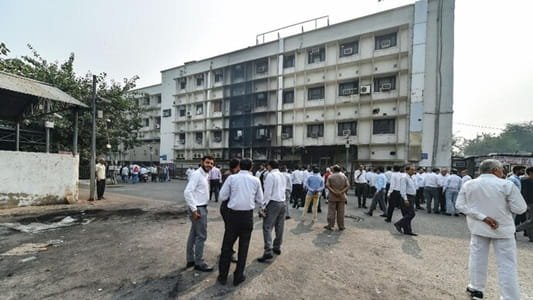
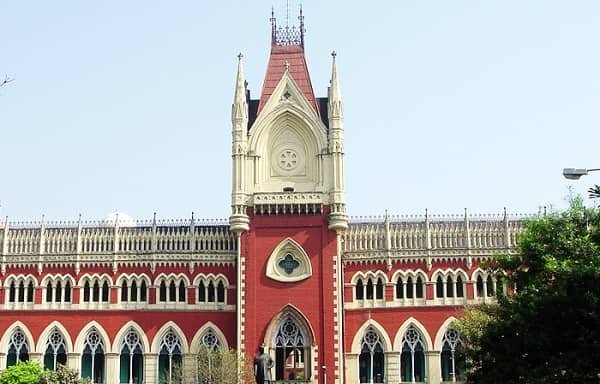
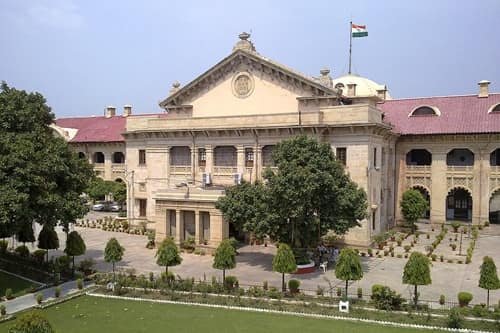
The Delhi High Court is one of the most important courts in India. It serves as the highest judicial authority for the National Capital Territory of Delhi and handles major civil, criminal, constitutional, and commercial cases. Established in 1966, the court has played a major role in delivering several landmark judgments that shaped Indian law and democracy.
Located near India Gate in New Delhi, the Delhi High Court is also known for its modern digital system, online filing facilities, and fast-growing importance in constitutional and corporate matters.
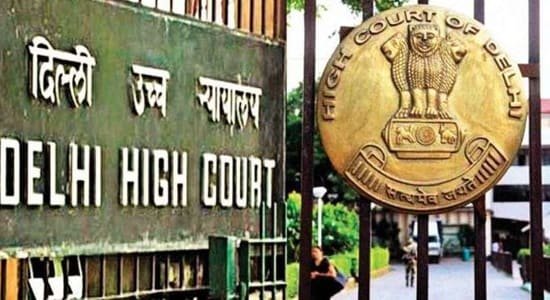
| Particulars | Details |
| Established | 31 October 1966 |
| Location | Sher Shah Road, New Delhi |
| Jurisdiction | National Capital Territory of Delhi |
| Type | High Court |
| Main Functions | Civil, Criminal, Constitutional, Commercial Cases |
| Official Language | English |
| Current Authority | Works under Constitution of India |
| Website | delhihighcourt.nic.in |
History of Delhi High Court
Before the Delhi High Court was created, Delhi came under the Punjab High Court. After independence, the need for a separate High Court increased because Delhi became the capital of India and the number of legal matters started growing rapidly.
The Delhi High Court was officially established on 31 October 1966 through the Delhi High Court Act, 1966. Initially, the court also had jurisdiction over Himachal Pradesh until Himachal Pradesh received its own High Court in 1971.
The first Chief Justice of the Delhi High Court was Justice K. S. Hegde. Over time, the court became one of the most respected High Courts in India because of its important decisions related to constitutional rights, freedom of speech, environment protection, and public interest matters.
Jurisdiction of Delhi High Court
The Delhi High Court has wide powers under the Constitution of India.
Original Jurisdiction
Some important civil and commercial matters can be filed directly in the Delhi High Court without going to lower courts first. This is called original jurisdiction.
The court handles:
- Commercial disputes
- Company law matters
- Intellectual property cases
- High-value civil disputes
- Constitutional petitions
Appellate Jurisdiction
The Delhi High Court hears appeals from district courts and tribunals across Delhi. If someone is not satisfied with the judgment of a lower court, they can approach the High Court.
It handles:
- Criminal appeals
- Civil appeals
- Family court appeals
- Tribunal-related matters
Writ Jurisdiction
Under Article 226 of the Constitution, the Delhi High Court can issue writs to protect legal and fundamental rights of citizens. People often approach the court against illegal government actions.
Supervisory Jurisdiction
The court supervises all district and subordinate courts functioning within Delhi. It ensures proper administration of justice and judicial discipline.
Structure of Delhi High Court
The Delhi High Court is headed by the Chief Justice along with several other judges appointed by the President of India.
The court works through different benches handling various types of matters such as:
- Civil cases
- Criminal cases
- Tax matters
- Intellectual property disputes
- Public Interest Litigations (PILs)
- Commercial disputes
The court also uses modern technology including:
- E-filing system
- Virtual hearings
- Online case status
- Digital records system
These facilities help lawyers and citizens access court services more efficiently.
Subordinate Courts Under Delhi High Court
Several district court complexes work under the Delhi High Court, including:
- Tis Hazari Courts
- Saket Courts
- Dwarka Courts
- Rohini Courts
- Patiala House Courts
- Karkardooma Courts
- Rouse Avenue Courts
These courts deal with local civil, criminal, property, and family matters across different parts of Delhi.
Address of Delhi High Court
Official Address
- Delhi High Court, Sher Shah Road, New Delhi – 110503
Contact Number
- 011-43010101
Official Website
- https://delhihighcourt.nic.in
Importance of Delhi High Court
The Delhi High Court is considered one of the most influential High Courts in India because many important national matters are heard here. Since Delhi is the capital city, cases involving central government departments, ministries, and major corporations often reach this court.
The court has also delivered many landmark judgments related to:
- Freedom of speech
- Environmental protection
- Women’s rights
- Digital privacy
- Corporate law
- Constitutional rights
In recent years, the court has become more technology-friendly with online hearings and digital case systems, making justice more accessible.
FAQs
Q1. When was the Delhi High Court established?
The Delhi High Court was established on 31 October 1966.
Q2. Where is the Delhi High Court located?
It is located on Sher Shah Road near India Gate in New Delhi.
Q3. What is the jurisdiction of Delhi High Court?
The court has jurisdiction over the National Capital Territory of Delhi.
Q4. Can people directly file cases in Delhi High Court?
Yes, certain constitutional, commercial, and high-value civil matters can be filed directly.
Q5. Which courts come under Delhi High Court?
Courts like Tis Hazari, Saket, Dwarka, Rohini, Patiala House, and Karkardooma function under it.
Q6. Does Delhi High Court provide online services?
Yes, it offers e-filing, online case status checking, and virtual hearing facilities.
Q7. What types of cases are handled by Delhi High Court?
The court handles civil, criminal, constitutional, tax, commercial, and public interest litigation cases.