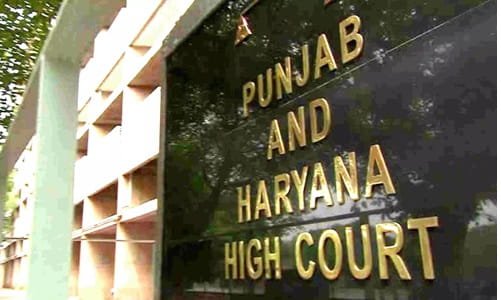
The Punjab and Haryana High Court, commonly known as the Chandigarh High Court, is one of the oldest and most important High Courts in India. It serves as the highest judicial authority for the states of Punjab and Haryana as well as the Union Territory of Chandigarh. The court handles civil, criminal, constitutional, and administrative matters and plays a major role in maintaining the judicial system in North India.
Located in Chandigarh’s Capitol Complex, the High Court building is famous not only for its legal importance but also for its unique architecture designed by the world-famous architect Le Corbusier. Over the years, the court has delivered several landmark judgments related to constitutional law, public administration, human rights, and social justice.
| Particulars | Details |
| Established | 1947 (shifted to Chandigarh in 1955) |
| Location | Capitol Complex, Chandigarh |
| Jurisdiction | Punjab, Haryana, and Chandigarh |
| Type | High Court |
| Designed By | Le Corbusier |
| Main Functions | Civil, Criminal, Constitutional, Administrative Cases |
| Official Language | English |
| Current Authority | Constitution of India |
| Website | highcourtchd.gov.in |
History of Punjab and Haryana High Court
The history of the Punjab and Haryana High Court goes back to the partition of India in 1947. Before independence, the Lahore High Court handled judicial matters for the undivided Punjab region. However, after partition, Lahore became part of Pakistan, creating the need for a separate High Court in India.
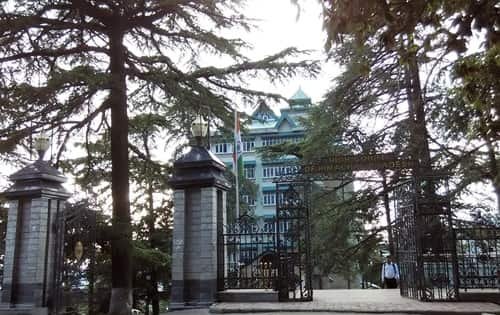
Initially, the East Punjab High Court was established in Shimla in 1947. Later, the court shifted to Chandigarh in 1955 after the development of the new capital city. The court building officially became part of the newly planned Capitol Complex designed by Swiss-French architect Le Corbusier.
In 1966, the state of Haryana was carved out of Punjab. After this division, the court was renamed the Punjab and Haryana High Court. Since then, it has served both states and the Union Territory of Chandigarh.
The High Court building is considered an architectural masterpiece and is also part of the UNESCO World Heritage Site list under Chandigarh’s Capitol Complex.
Over the decades, the court has become known for several important judgments related to governance, public rights, elections, environmental protection, and criminal justice.
Jurisdiction of Punjab and Haryana High Court
The Punjab and Haryana High Court exercises wide powers under the Constitution of India.
Original Jurisdiction
The court has original jurisdiction in certain special matters where cases can be filed directly before the High Court instead of lower courts.
These include:
- Constitutional matters
- Writ petitions
- Public Interest Litigations (PILs)
- High-value civil matters
- Service matters involving government employees
Appellate Jurisdiction
The High Court hears appeals from district courts and tribunals functioning across Punjab, Haryana, and Chandigarh.
It deals with:
- Civil appeals
- Criminal appeals
- Family court appeals
- Consumer and tribunal appeals
- Sessions court matters
Writ Jurisdiction
Under Article 226 of the Constitution, citizens can approach the High Court for protection of their legal and fundamental rights. The court can issue writs against unlawful government actions or violations of constitutional rights.
This power makes the High Court an important protector of democracy and citizens’ rights.
Supervisory Jurisdiction
The Punjab and Haryana High Court supervises all subordinate courts functioning under its jurisdiction. It ensures proper functioning of the judicial system and maintains judicial discipline.
Structure of Punjab and Haryana High Court
The court functions under the leadership of the Chief Justice along with several permanent and additional judges appointed by the President of India.
The High Court operates through different benches and departments handling various categories of cases such as:
- Civil matters
- Criminal matters
- Tax disputes
- Property disputes
- Constitutional matters
- Service matters
- Public Interest Litigations
The court also has a large administrative setup that manages judicial records, online systems, filing procedures, and court operations.
Modern Digital Facilities
In recent years, the Punjab and Haryana High Court has adopted several digital facilities to improve efficiency and transparency.
These include:
- E-filing system
- Virtual court hearings
- Online case status
- Digital cause lists
- Video conferencing facilities
These services help lawyers and litigants access court information easily without unnecessary delays.
Subordinate Courts Under Punjab and Haryana High Court
The High Court supervises district and sessions courts across Punjab, Haryana, and Chandigarh.
Some major district court systems include:
- Chandigarh District Courts
- Amritsar District Courts
- Ludhiana District Courts
- Gurugram District Courts
- Faridabad District Courts
- Patiala District Courts
- Hisar District Courts
- Jalandhar District Courts
These lower courts handle local civil disputes, criminal cases, property matters, and family issues.
Architecture of the High Court Building
One of the most unique features of the Punjab and Haryana High Court is its architecture. The building was designed by Le Corbusier, who also planned much of Chandigarh city.
The structure is known for:
- Massive concrete design
- Large colorful facade
- Open corridors
- Unique roof structure
- Modernist architectural style
The building attracts architects, tourists, and law students from across the country.
The Capitol Complex, where the court is located, is recognized as a UNESCO World Heritage Site because of its architectural importance.
Address of Punjab and Haryana High Court
Official Address
Punjab and Haryana High Court
Capitol Complex
Sector 1, Chandigarh – 160001
Contact Number
0172-2740071
Official Website
https://highcourtchd.gov.in
Importance of Punjab and Haryana High Court
The Punjab and Haryana High Court plays a major role in the judicial and administrative system of North India. Since it serves two states and a Union Territory, the court handles a very large number of cases every year.
It has delivered important judgments related to:
- Public administration
- Land disputes
- Election matters
- Environmental protection
- Human rights
- Education policies
- Criminal justice reforms
The court is also respected for maintaining judicial independence and constitutional balance.
FAQs
Q1. Where is the Punjab and Haryana High Court located?
The court is located in the Capitol Complex, Sector 1, Chandigarh.
Q2. Which states come under this High Court?
Punjab, Haryana, and the Union Territory of Chandigarh come under its jurisdiction.
Q3. When was the Punjab and Haryana High Court established?
It was originally established in 1947 as the East Punjab High Court and later became the Punjab and Haryana High Court in 1966.
Q4. Who designed the High Court building?
The building was designed by famous architect Le Corbusier.
Q5. Does the High Court allow online case services?
Yes, the court provides e-filing, virtual hearings, and online case status facilities.
Q6. What types of cases are handled by the court?
The court handles civil, criminal, constitutional, tax, service, and public interest litigation matters.
Q7. Why is the High Court building famous?
The building is famous for its modern architecture and its inclusion in the UNESCO World Heritage Capitol Complex.